

Best Junior Golf Academy In South Carolina, USA
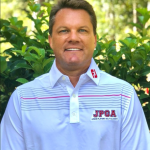
by Keith Bach · PGA Member, President and Director of Instruction JPGA (Also called JRPGA)
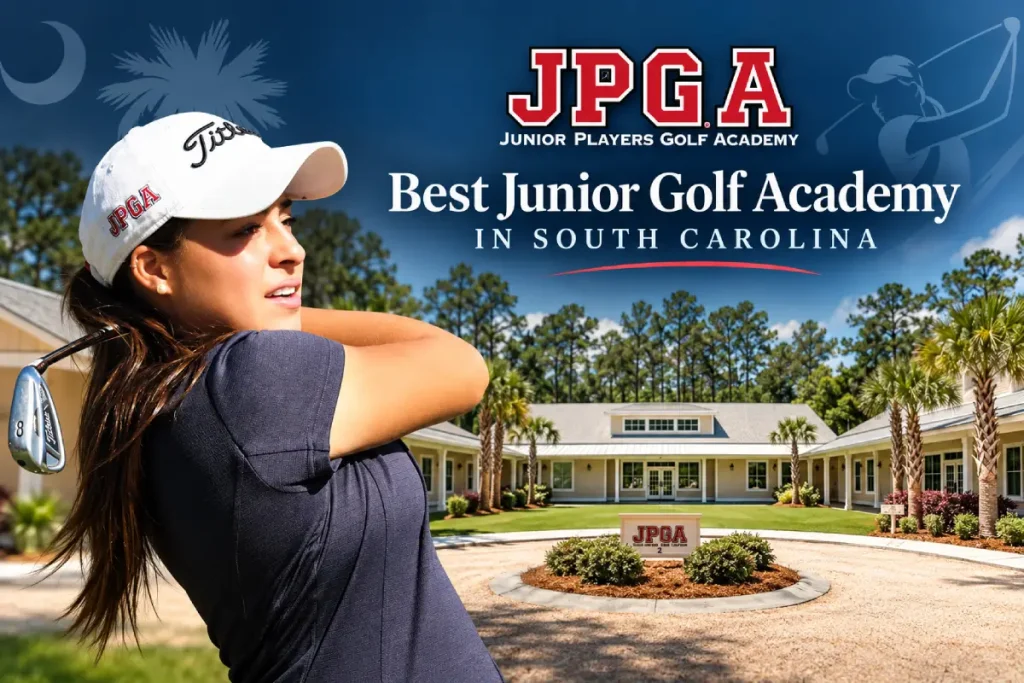
South Carolina has been producing serious golfers for decades. Between Hilton Head Island’s resort courses, the Lowcountry’s near year-round playing season, and an active junior tournament calendar across the state, it’s a genuinely good place to raise a competitive junior golfer.
The harder question is what actually makes a junior golf academy the best one for your child. “Academy” gets used loosely, so it helps to know exactly what to look for before you commit a summer, a school year, or a tuition check to one. Here’s what separates a real academy from a good lesson program, and how JPGA, based on Hilton Head Island, is built around every one of those things.
Our Locations
Hilton Head Island, SC
2 Finch Street
Hilton Head Island, SC 29926
Orlando, FL
16301 Phil Ritson Way
Winter Garden, FL 34787
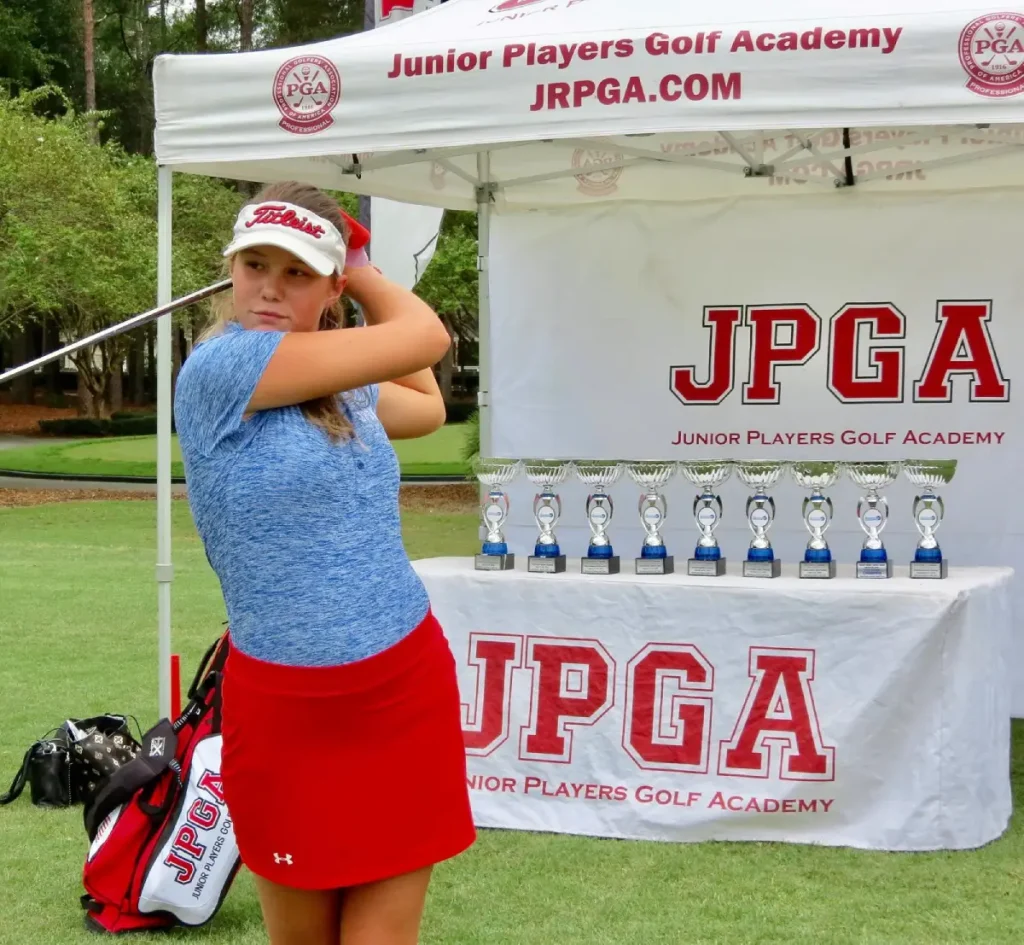
What to Look for in a Junior Golf Academy
A few things separate a true academy from a weekly lesson or a week of summer camp:
- Full-time, year-round training. Golf is the daily focus, not a once-a-week appointment squeezed around everything else.
- Academics built in, not worked around. The school year and the golf season move together instead of competing for a student’s time.
- Real coaching credentials and real technology. A PGA-certified coaching staff with actual junior development experience, backed by tools like TrackMan and video analysis instead of guesswork.
- A living environment built for it. For a full-time program, that means a genuine residential setup, not a converted spare room.
- A clear path to college golf. The instruction, the competition schedule, and the daily routine should all be pointed at the same outcome.
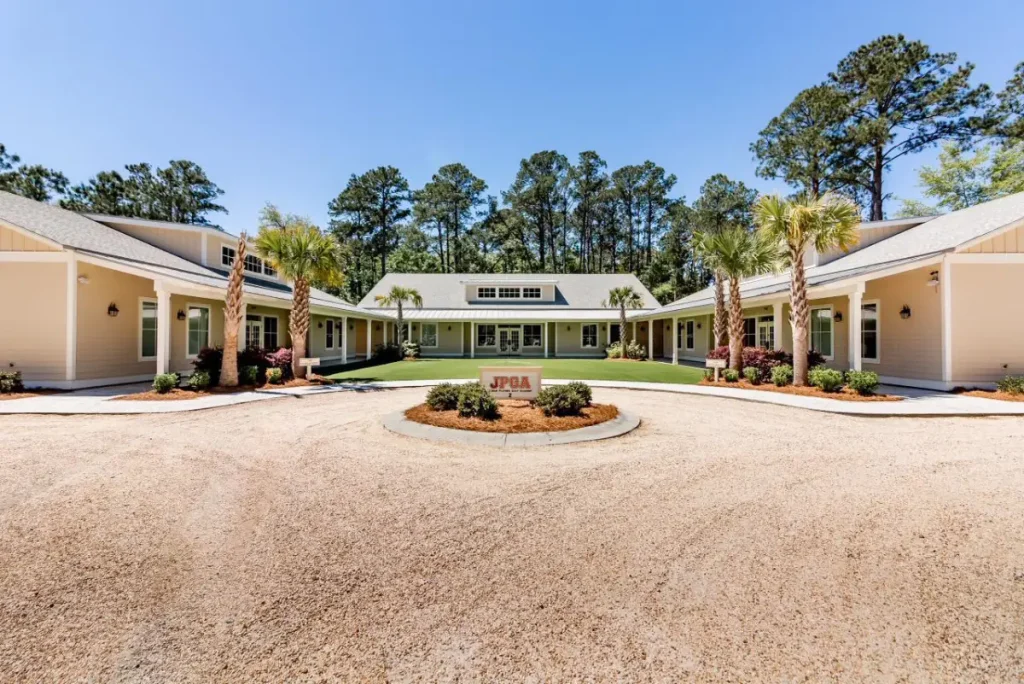
JPGA’s Hilton Head Island campus was built around every one of these.
What Full-Time Training at JPGA Actually Looks Like
Students live on-site in a gated residential community for the nine-month academic year, with golf as the daily focus and academics running through partner schools alongside it. Coaching is led by Keith Bach, a PGA Member with more than 30 years of junior coaching experience, using TrackMan and V1 video coaching to give players real swing data instead of guesswork. Add an on-site fitness center, a golf simulator, and year-round South Carolina weather, and it’s easy to see why Hilton Head Island is one of the best places in the country to train, the day-to-day setup looks less like a lesson program and more like an athlete’s actual training environment.
Not every family is ready to commit to a full academic year right away, and that’s exactly why camps exist as a lower-pressure starting point. JPGA’s own camps run through the summer on Hilton Head Island starting at $1,495 for a commuter week, so a junior can get a real feel for full-time-style training before deciding whether the nine-month program is the right next step.
Is Full-Time Training Right for Your Golfer Right Now?
A few honest questions usually make the decision clearer than any brochure will:
Is your child asking for more golf, or are you asking for them?
A full-time academy works best when the drive is coming from the junior. Our guide to what to look for in a South Carolina junior golf academy walks through the readiness signs worth checking for before you commit.
Are you ready for a residential program, or do you want them home every night?
This is the single biggest fork in the road, and it deserves an honest look rather than an assumption either way. We’ve broken down the real tradeoffs between boarding and day programs so you can decide with the full picture.
Is the goal college golf, or golf as one part of a well-rounded childhood?
Both are completely reasonable goals, they just point toward different levels of commitment. A full-time academy makes the most sense once college recruiting is genuinely the target. If you’re also weighing South Carolina against JPGA’s Orlando campus, we’ve laid out how to choose between the two locations as well.
Frequently Asked Questions
Is South Carolina a good state for junior golf development?
Yes. Hilton Head Island alone offers a near year-round playing season, resort-level courses, and an active state junior tour that gives juniors real competitive reps close to home.
What's the actual difference between a junior golf camp and a junior golf academy?
A camp is a short, defined block of instruction, typically a week or two. A full-time academy, like JPGA’s ninemonth program, builds golf and academics into a student’s everyday routine for the whole school year.
Do I have to commit to the full-time program to try JPGA?
No. JPGA’s summer and seasonal camps on Hilton Head Island let a junior experience the coaching and technology first, without committing to the academic-year program.
Does a junior need to already be competitive to join a full-time academy?
Not necessarily, but they should already love the game and want more of it. Readiness has more to do with focus, coachability, and genuine interest than current skill level.
Add Comment