
How to Prepare for a Golf Tournament: A Junior Golfer's Guide
by Keith Bach · PGA Member, President and Director of Instruction JPGA (Also called JRPGA)
Tournament week is where all the early mornings, range sessions, and short game drills either pay off or expose the gaps. I’ve seen it go both ways more times than I can count. At Junior Players Golf Academy, I don’t leave tournament readiness to chance. I have our students prepare for a golf tournament the exact same way they prepare every single day, with structure, discipline, and a routine built specifically for junior athletes who are also full time students.
Here’s how we get JPGA students tournament ready, and how any junior golfer can use the same approach.
Our Locations
Hilton Head Island, SC
2 Finch Street
Hilton Head Island, SC 29926
Orlando, FL
16301 Phil Ritson Way
Winter Garden, FL 34787
☎ 843-686-3355
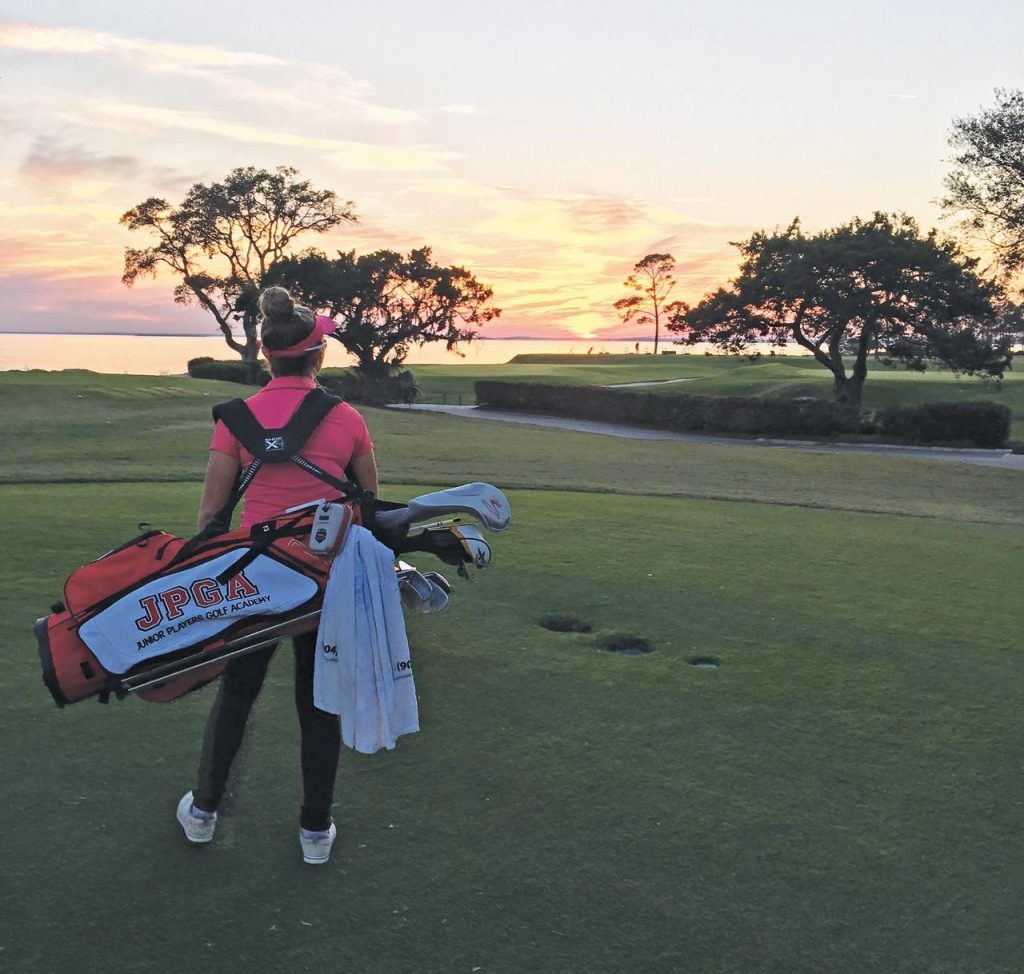
Build Your Routine Before Tournament Week Starts
The biggest mistake I see junior golfers make is treating tournament prep like something that starts the night before. It doesn’t. Real preparation is the accumulation of good habits, repeated daily until they just become who you are as a player.
At JPGA, we have every student follow a structured daily schedule that balances golf, fitness, academics, and rest:
| Time | Activity |
|---|---|
| 6:30 AM | Wake up |
| 7:00 AM | Fitness training |
| 8:00 AM | Breakfast |
| 8:30 AM | Academic classes |
| 12:30 PM | Lunch |
| 1:30 PM | Golf practice |
| 5:30 PM | Dinner |
| 8:00 PM | Study time |
I put a lot of stock in this rhythm, more than most people expect. A consistent wake time regulates your body clock. Morning fitness training builds the strength and rotational power that hold up over 18 holes in the heat (we’ve written before about some of the exercises we use to build that kind of endurance). Structured practice blocks build reliable mechanics in a way that random range sessions never will. And protected study time keeps academics from turning into stress during the season. By the time tournament week actually rolls around, my students aren’t scrambling to prepare. They’re just continuing a routine their body and mind already trust.
Scout the Course Like a Pro
Before you ever tee it up, learn the golf course. Study the terrain, the bunker placement, the tree lines, the water hazards, the green complexes, and the yardages. If the venue publishes a digital course map, print it and use it as a study tool. Mark where you want to miss on the tough holes, where the real trouble is, and where the birdie chances live. We always tell our students to treat every upcoming event as a chance to put this into practice. Two events coming up that our students will be participating in:
| Tournament at Venue | Date |
|---|---|
| Hilton Head Labor Day Junior Open at Golden Bear Golf Course, Hilton Head, SC | August 30 to 31 |
| Jekyll Island Fall Junior Open at Jekyll Island Golf Club, Pine Lakes | September 20 to 21 |
Both of these courses reward players who’ve done their homework. Coastal layouts like these bring wind, water, and firm, fast conditions into play, which is exactly the kind of course management I want our junior golfers studying in advance instead of figuring out mid round.
Train Your Mind as Hard as Your Swing
Jack Nicklaus said golf is played mostly between the ears, and whatever the exact percentage is, I think he was onto something. Technical skill only takes you so far if your mind is scattered on the course. I have students practice clearing out the non golf thoughts before and during their round. Simple pre shot routines, a breath between holes, staying present shot to shot, these are skills. And like any skill, they need reps, not just good intentions on tournament day.
Practice with Purpose
Aimless range time doesn’t move the needle, at least not in my experience. In the weeks before a tournament, we shift our students’ practice toward the shots they’ll actually need. Shots that mirror the host course’s hole shapes, greens that match the expected speed, and short game reps from the lies they’re
most likely to face. Structured, purposeful practice, like the dedicated golf block built into our daily schedule, builds the specific skills a tournament demands instead of just generic ball striking.
Protect Your Sleep
Junior athletes need more rest than adults, not less. The CDC recommends somewhere around 9 to 12 hours of sleep for school aged children and 8 to 10 hours for teenagers. Sleep is when the body actually recovers from training, and it’s directly tied to reaction time, focus, and decision making, all things you need when you’re standing over a putt on hole 17 with the round on the line. A late night before a tournament rarely shows up as tiredness. It shows up as a three putt or a mental error you wouldn’t normally make
Also Read: How to Shave 5-10 Strokes Off Your Score?
Stay Hydrated. Water Isn't Always Enough
Hydration affects everything from body temperature regulation to how nutrients get delivered to your muscles and brain. But on a hot, humid course over four plus hours, plain water alone won’t replace the electrolytes you’re sweating out. I tell my students to pair water with an electrolyte drink during the round, and to start hydrating the day before, not on the first tee.
My Approach at JPGA
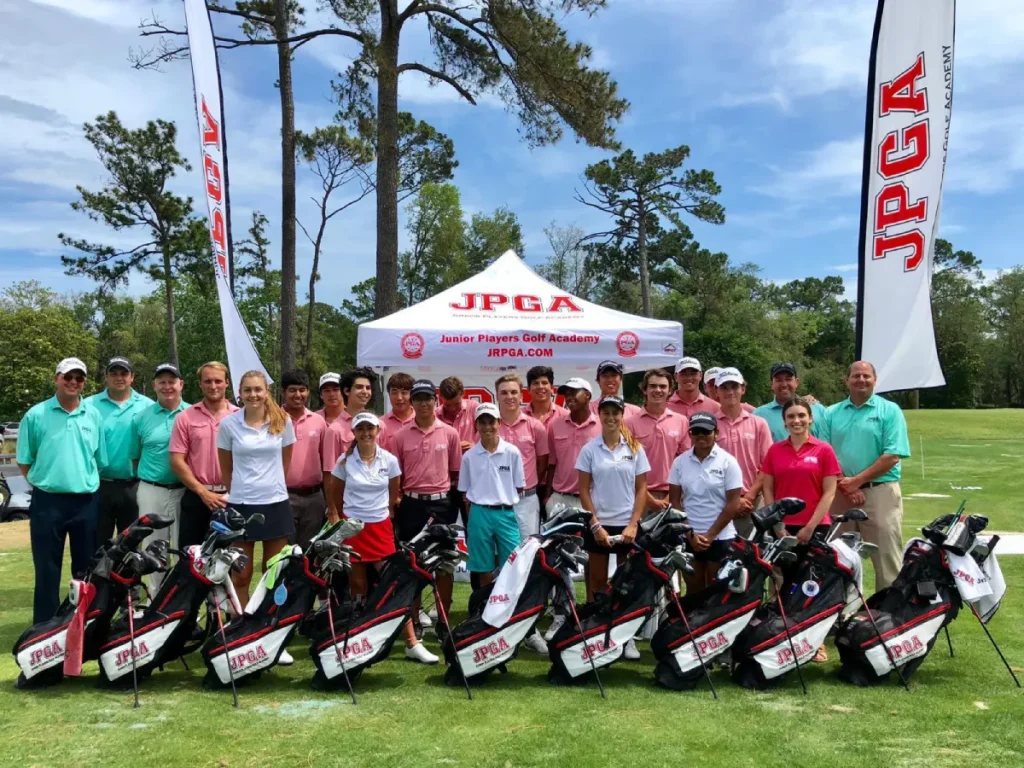
Learning how to prepare for a golf tournament isn’t a checklist you run through the week of competition. It’s the byproduct of a daily routine that trains the body, sharpens the mind, and protects recovery, every single day, not just tournament week. That’s the philosophy I’ve built everything at JPGA around, and it’s why I feel good sending our students into events like the Hilton Head Labor Day Junior Open at Golden Bear Golf Course and the Jekyll Island Fall Junior Open at Jekyll Island Golf Club ready to compete.
“Preparation is what lets a young player walk onto the first tee with a plan instead of nerves. If you want to talk through how your child is preparing for their next tournament, reach out directly. I read every inquiry myself.”
Ready to build that routine?
Enroll at JPGA and give your junior golfer a daily structure built for real competitive results.




[…] of program is built to solve. We rebuild your week around swing work, course strategy, lifting, and tournament prep, with coaches tracking you the same way a college staff eventually will. I have watched golfers […]
[…] competition. If you’re gearing up for your next event, I’d pair this with my guide on how to prepare for a golf tournament, because a knockdown shot you trust under pressure is one less thing to worry about on tournament […]